
Foundation Crack Repair in Texas
Not every foundation crack means the same thing, and treating them all the same way is how homeowners end up patching the same spot more than once. A crack is essentially a message from the structure about what kind of stress it’s under — where that stress is coming from, how severe it is, and whether it’s still active. Risen Home Leveling starts every crack repair with diagnosis, because the right fix depends entirely on what the crack pattern reveals.
Vertical, Horizontal, Stair-Step, and Diagonal: What Each Crack Pattern Means
Vertical cracks are the most common and often the least severe, typically resulting from normal settlement or minor soil shrinkage beneath the foundation. They tend to run relatively straight up and down and are frequently a few millimeters wide or less. Horizontal cracks are a different matter entirely — they usually indicate lateral pressure pushing against a foundation wall from expanding soil outside, and they’re one of the clearer signs that a wall may need structural reinforcement rather than simple sealing.
Stair-step cracks, which follow the mortar joints in brick or block in a diagonal, step-like pattern, almost always point to uneven settlement somewhere beneath that section of the foundation. Diagonal cracks running through poured concrete rather than along mortar joints suggest differential movement between two points of the foundation, often near corners where structural stress concentrates. Each of these patterns narrows down where to look for the underlying cause before any repair work begins.
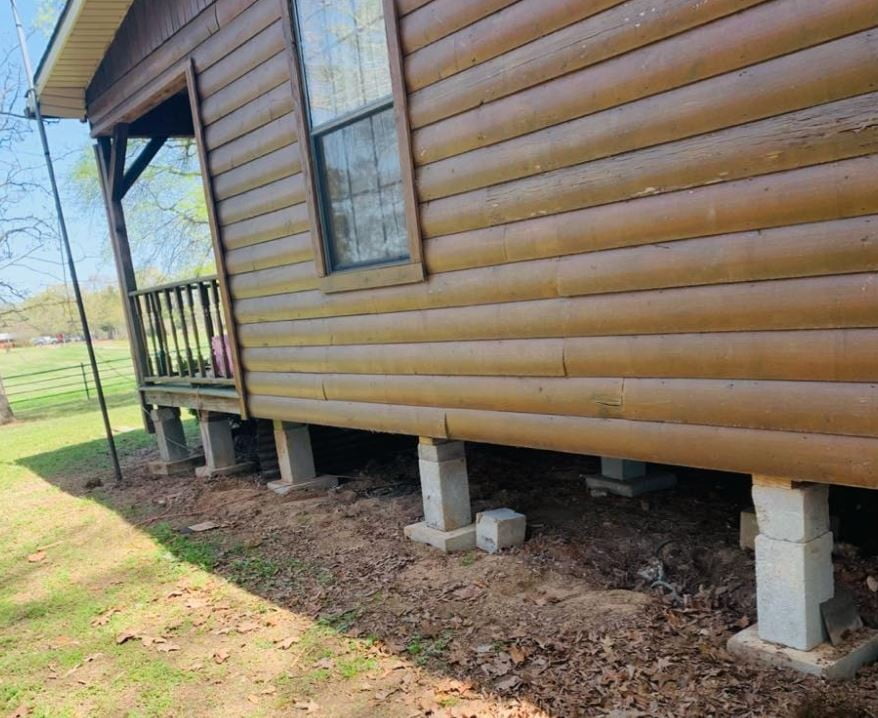
Hairline vs Structural: How to Tell the Difference
Width and behavior matter more than a crack’s visual severity at first glance. A hairline crack under roughly an eighth of an inch that has stayed the same size for months is often the result of ordinary curing shrinkage and doesn’t necessarily indicate an active structural problem. A crack of any width that continues to grow, that reopens shortly after being patched, or that’s accompanied by other signs like a door that no longer closes properly, is behaving very differently and needs structural evaluation rather than a cosmetic fix.
Tracking a crack over several weeks — marking the ends with a pencil line and checking whether it extends past that mark — is one of the simplest ways to tell whether movement is still active. Risen Home Leveling evaluates this alongside elevation readings across the surrounding foundation to determine whether the crack is isolated or part of a broader movement pattern.
Sealing a Crack vs Stabilizing the Foundation
Sealing addresses the crack itself — closing the opening to prevent moisture and pests from entering and restoring a clean appearance. It’s an appropriate solution on its own only when the crack has been confirmed as inactive and unrelated to ongoing structural movement. Sealing an active crack without addressing the cause behind it is a temporary measure at best, since the same forces that opened it the first time will typically reopen it or create new cracks nearby.
Stabilization goes further, addressing whatever is causing the movement in the first place — usually through piers that transfer structural load away from unstable soil, or reinforcement systems for walls under lateral pressure. Once the underlying movement has stopped, sealing the crack becomes a permanent solution rather than a temporary patch that will need to be redone.
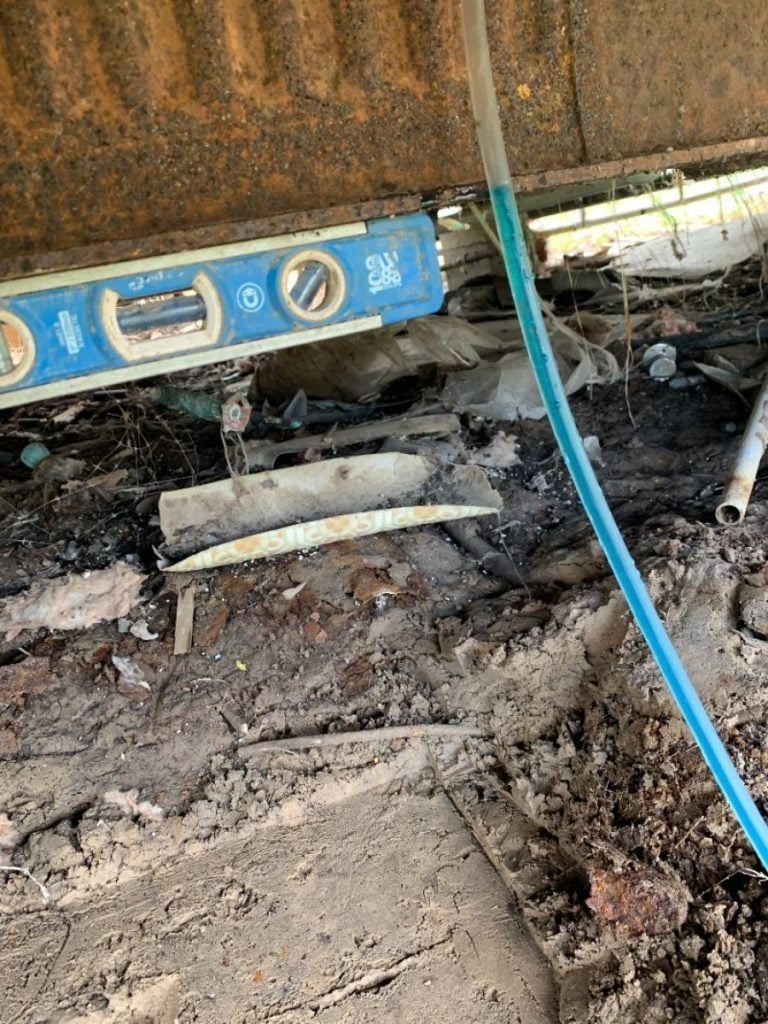

Moisture Intrusion Through Foundation Cracks
Even a crack that isn’t structurally significant can create an ongoing moisture problem. Water entering through foundation cracks contributes to humidity in crawl spaces, can lead to mold growth on framing and insulation, and in slab foundations may reach areas near buried plumbing or electrical conduit. Left unaddressed, this moisture intrusion often does more day-to-day damage than the crack itself, particularly in homes with finished basements or crawl space storage.
Addressing moisture intrusion typically involves both sealing the crack and improving drainage conditions around the foundation, since a crack that’s resealed without correcting the water source nearby is likely to develop the same issue again.
The Crack Repair Process, Start to Finish
Every crack repair begins with documentation — photographing the crack, measuring its width and length, and noting its location relative to doors, windows, and other structural features. If the evaluation determines the crack is inactive and isolated, repair typically involves cleaning the crack, applying an appropriate sealant or epoxy injection depending on the material, and finishing to match the surrounding surface.
If the crack is determined to be active or connected to broader foundation movement, the repair sequence changes: stabilization work happens first, elevation is verified as stable, and only then is the crack itself sealed and finished. Repairing the cosmetic issue before the structural one is addressed almost always results in the same crack returning.
When a Crack Is a Symptom, Not the Problem
The most important thing to understand about foundation cracks is that the crack is very often not the actual problem — it’s evidence of one. A stair-step crack in brick veneer is telling you about settlement happening somewhere beneath that corner of the home. A horizontal crack in a foundation wall is telling you about soil pressure building against it. Treating the visible crack while ignoring what caused it addresses the symptom while leaving the underlying condition to keep affecting the structure.
Risen Home Leveling’s approach starts by identifying what the crack pattern is communicating, then builds a repair plan around the actual cause — not just the visible damage.
Why Risen Home Leveling Is Trusted for Foundation Crack Repair
Foundation crack repair requires experience, precision, and a deep understanding of soil behavior and structural systems. Risen Home Leveling approaches every project with a focus on accuracy, durability, and long-term results. Each repair is based on a thorough foundation evaluation and engineered to address the root cause of cracking.
Homeowners choose Risen Home Leveling because repairs are designed to last, not temporarily mask the problem. The goal is to deliver reliable foundation crack repair that protects homes and provides lasting peace of mind.
Schedule a Foundation Crack Repair Evaluation
If you’ve noticed cracks forming in your foundation, walls, or brick exterior, early action is essential. Professional foundation crack repair can stop damage from spreading and prevent costly structural issues down the road. Risen Home Leveling offers expert inspections and proven repair solutions tailored to Texas homes.
Contact Risen Home Leveling today to schedule a foundation crack repair evaluation and safeguard your home’s structural integrity.