
Home Leveling Inspection
Accurate Home Leveling Inspections That Identify Structural Issues Early
Foundation movement does not happen all at once. It develops over time as soil conditions shift, moisture levels change, and structural stress builds beneath the home. A home leveling inspection is the first step in identifying these issues before they become more severe. Without a proper inspection, foundation problems are often misdiagnosed or overlooked, leading to ineffective repairs and continued movement.
Risen Home Leveling provides professional home leveling inspections designed to evaluate the condition of your foundation and determine whether leveling is needed. Our inspections focus on identifying elevation changes, structural stress points, and underlying causes of movement. This allows homeowners to understand exactly what is happening beneath their home and what steps are required to correct it.
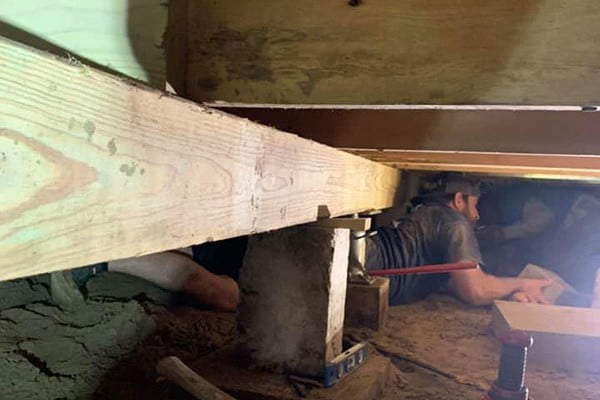
When a Home Leveling Inspection Is Needed
Many homeowners wait until visible damage appears before seeking an inspection, but early evaluation can prevent more serious structural issues. A home leveling inspection is recommended when there are signs of uneven flooring, shifting walls, or changes in how the home functions.
One of the most common indicators is sloping or uneven floors. Even minor changes in elevation can signal that the foundation is beginning to shift. Doors and windows that stick, drag, or fail to close properly are also signs that the structure is no longer level.
Cracks in drywall, separation around door frames, and gaps between walls and ceilings can indicate that different parts of the home are moving at different rates. These symptoms often point to underlying foundation issues that require professional evaluation.
A home leveling inspection is also valuable when purchasing a home or preparing to sell. Identifying foundation conditions early allows for informed decisions and helps avoid unexpected repair costs.
What a Home Leveling Inspection Evaluates
A proper home leveling inspection goes beyond a visual walkthrough. It involves a detailed evaluation of the structure to determine how the foundation is performing and where movement has occurred.
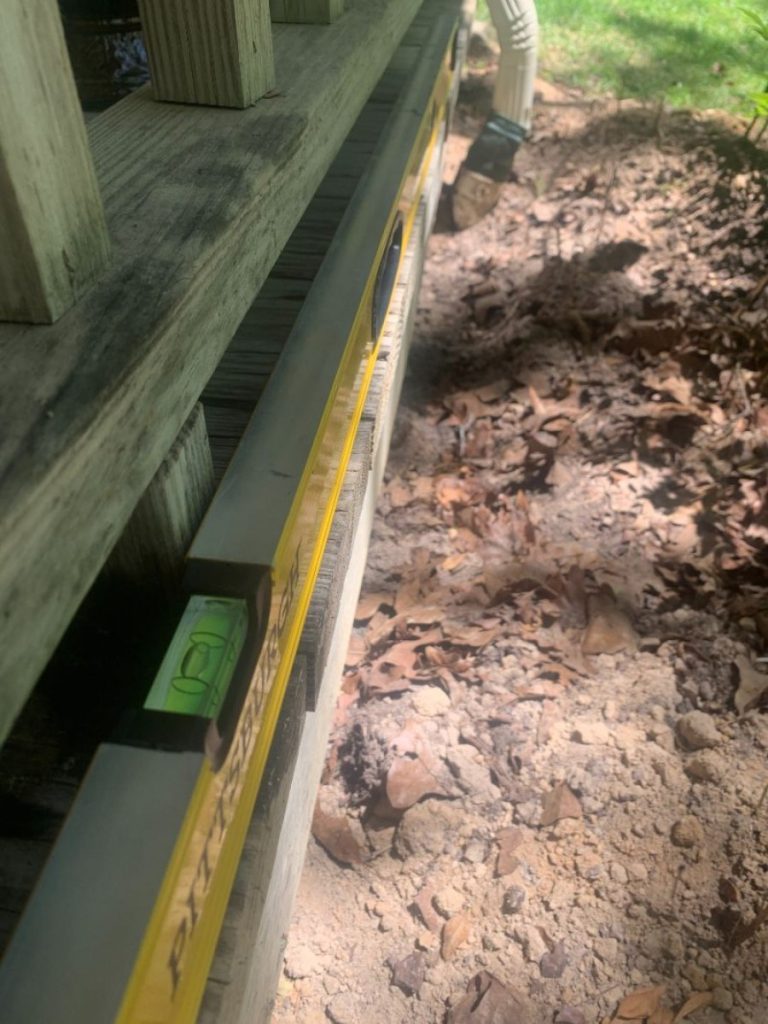
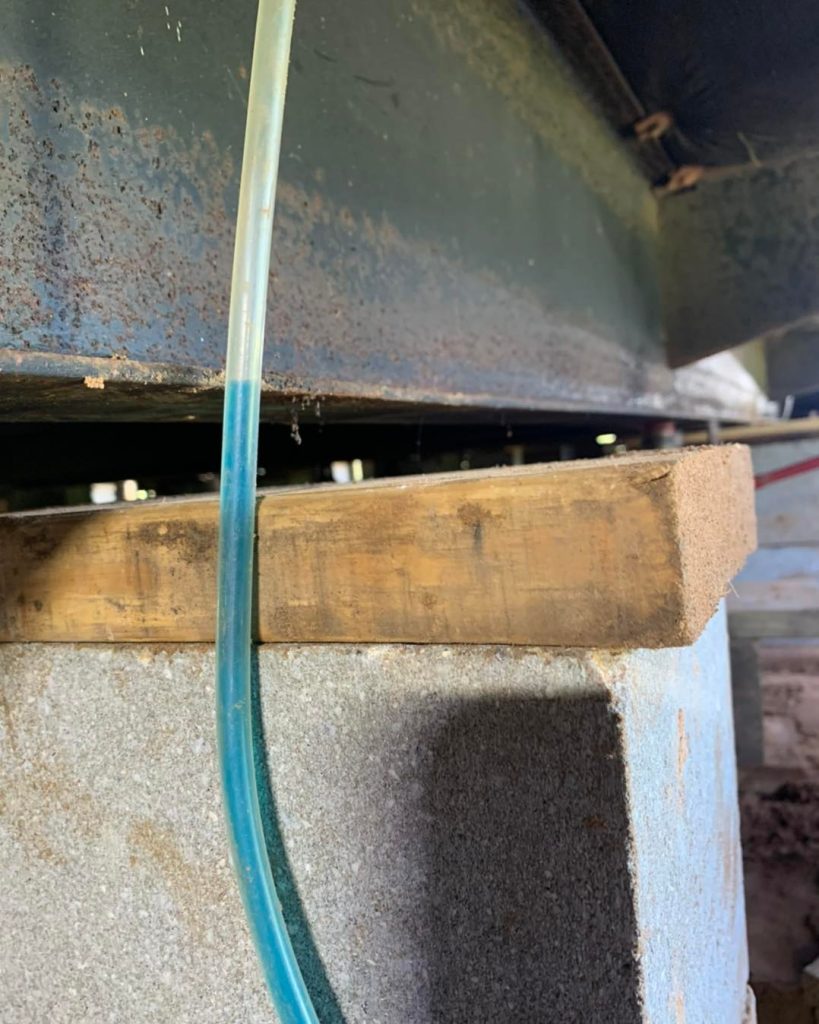
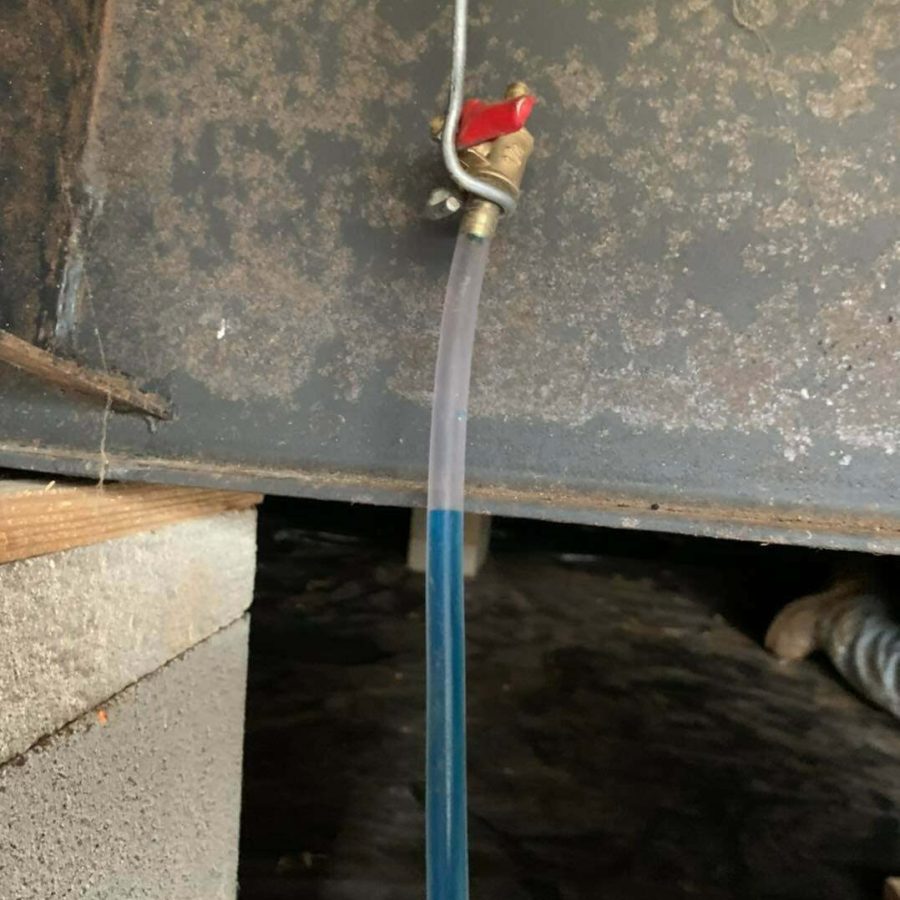
The inspection begins with measuring elevation changes throughout the home. This process identifies areas that have settled or shifted and provides a clear understanding of how level the structure is. These measurements are critical for determining whether leveling is required and how extensive the repair may be.
Structural components are also evaluated during the inspection. This includes assessing support systems, load distribution, and any visible signs of stress or damage. The goal is to identify not only where the problem exists but why it is occurring.
Soil conditions and drainage are also considered. Since foundation movement is often caused by changes in soil moisture, understanding these factors is essential for developing an effective repair plan. A thorough inspection connects all of these elements to provide a complete picture of the foundation’s condition.
Common Causes of Leveling Issues
Homes become unlevel due to a variety of factors, most of which originate beneath the foundation. In Texas, expansive clay soils are one of the primary causes of foundation movement. These soils expand when wet and shrink when dry, creating constant pressure that leads to shifting and settling.
Poor drainage can accelerate these issues by allowing water to collect near the foundation. This increases soil expansion in some areas while leaving others dry, resulting in uneven support beneath the home. Over time, this imbalance causes sections of the foundation to rise or sink.
Tree roots can also affect soil conditions by drawing moisture from specific areas, creating voids beneath the structure. In some cases, previous repairs that were not properly executed can contribute to ongoing movement.
A home leveling inspection identifies these causes and ensures that any recommended repairs address the root of the problem, not just the visible symptoms.
Why Accurate Measurement Matters
Leveling a home without proper measurement can lead to ineffective repairs or additional structural stress. Accurate data is essential for determining how much movement has occurred and where corrections need to be made.
Risen Home Leveling uses precise measurement techniques to map elevation differences throughout the structure. This allows for a targeted approach to leveling, ensuring that adjustments are made correctly and evenly.
Without this level of accuracy, repairs may overcorrect or fail to address the full extent of the problem. A detailed inspection provides the information needed to carry out leveling work with confidence and precision.
Inspection Results and Recommended Solutions
After completing a home leveling inspection, our team provides a clear explanation of the findings. This includes identifying areas of concern, explaining the cause of movement, and outlining the recommended solution.
In some cases, leveling may not be immediately required. Minor movement can often be monitored if the underlying conditions are controlled. In other situations, leveling is necessary to restore structural balance and prevent further damage.
When leveling is recommended, the inspection data is used to develop a repair plan that addresses both the structural issues and the contributing factors. This ensures that the solution is effective and long-lasting.
Schedule Your Home Leveling Inspection
If you are noticing signs of uneven floors, structural changes, or foundation movement, a professional inspection is the first step toward a solution. Identifying the problem early allows for more effective repairs and helps protect the long-term stability of your home.
Contact Risen Home Leveling today to schedule a home leveling inspection. Our team will evaluate your foundation, provide clear recommendations, and help you determine the best course of action to restore and maintain a level structure.