
Slab Foundation Repair for Texas Homes
Slab Foundation Repair That Restores Stability and Prevents Further Damage
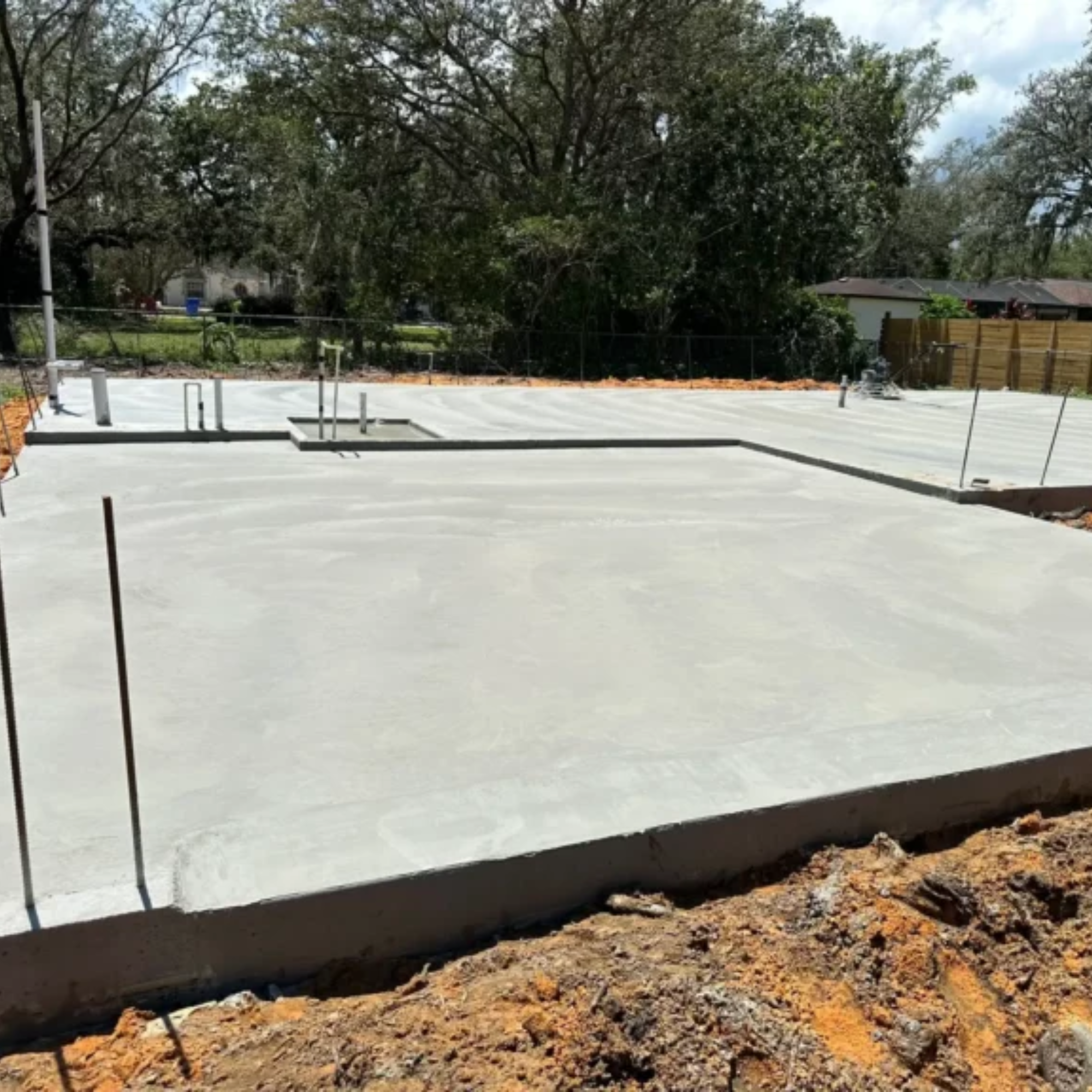
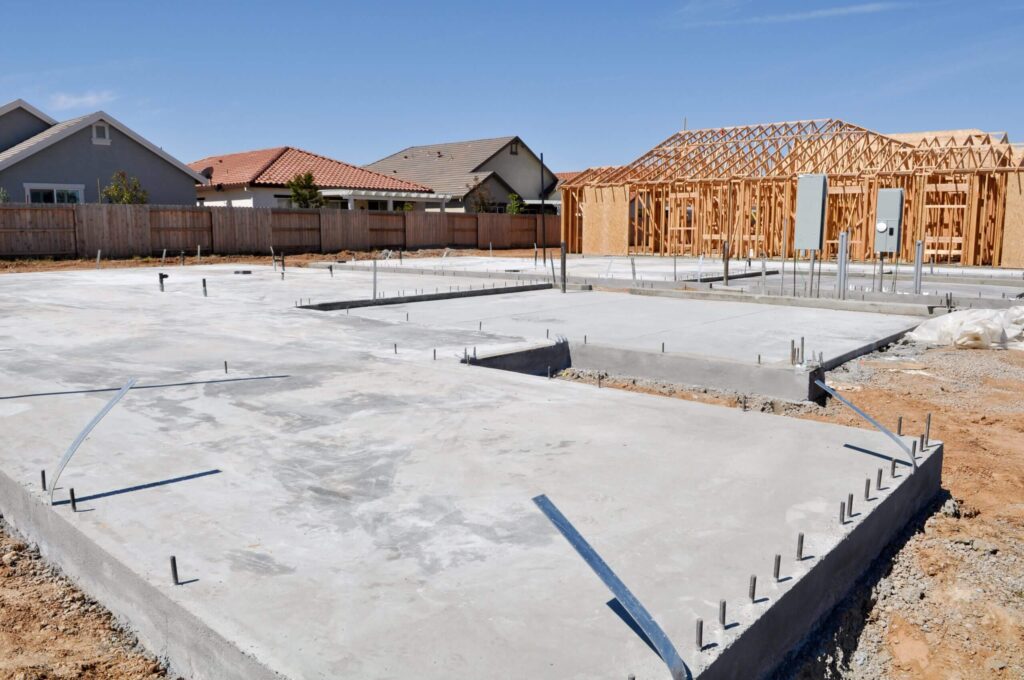
Slab foundations fail differently than the pier-and-beam and wood-frame structures common throughout older East Texas neighborhoods, which means they need to be repaired differently too. A slab is a single, continuous pour of concrete resting directly on the ground, so when the soil beneath it moves, the slab itself absorbs that stress rather than a network of piers and beams distributing it. Risen Home Leveling repairs slab foundations using methods built specifically for solid concrete construction, not adapted from techniques designed for a different foundation type.
Why Slab Foundations Behave Differently Than Pier and Beam
A pier-and-beam foundation has a crawl space beneath it, which means there’s room to inspect, access, and repair individual support points without disturbing the living space above. A slab has no such access — everything from plumbing lines to electrical conduit runs beneath solid concrete, and any repair work has to account for what’s buried in the slab itself, not just what’s happening structurally.
This also changes how damage presents. Where a pier-and-beam home might show a soft spot in one section of flooring as an individual beam weakens, a slab tends to crack and telegraph that damage upward through tile, through drywall at the point where wall meets floor, and along interior door frames throughout the home, because the entire slab is one connected structural unit.
Cracking, Heaving, and Settling: The Three Ways Slabs Fail
Slabs generally fail in one of three ways, and identifying which one is occurring changes the repair approach entirely. Settling happens when soil beneath a section of the slab loses volume, typically from drought-related shrinkage, and that section of concrete drops slightly relative to the rest of the foundation. Heaving is the opposite — expansive clay swells with moisture and pushes a section of the slab upward, which can be just as damaging to the structure above it as settling.
Cracking can result from either settling or heaving, but can also occur independently from normal concrete curing stress, especially in slabs poured without adequate control joints. Distinguishing between a crack caused by soil movement and one caused by ordinary concrete shrinkage during curing is one of the first things evaluated on any slab repair, since only one of those requires structural intervention.
Repair Methods Built for Concrete Slabs
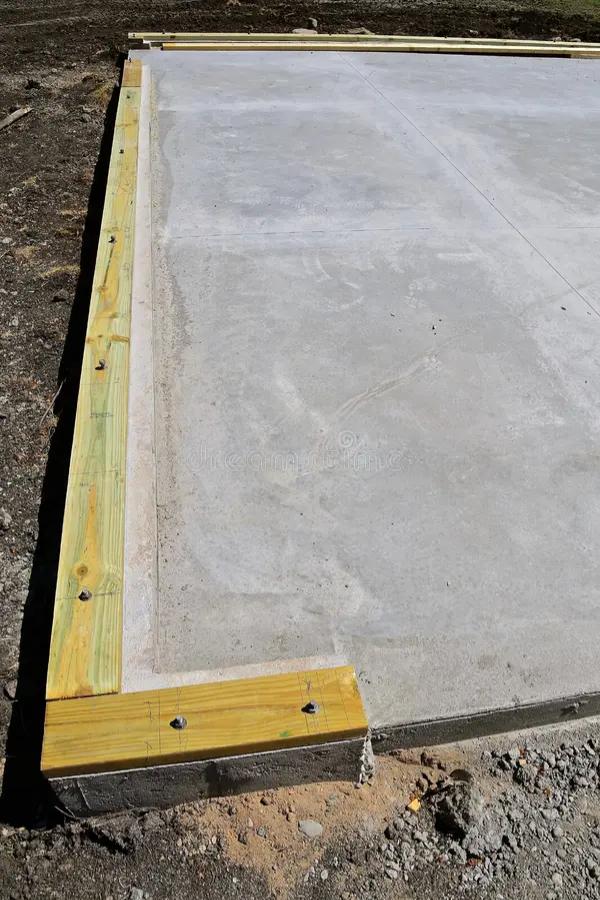
Steel piers are the primary method used to address settling along a slab’s perimeter or beneath interior load-bearing points, driven down to load-bearing soil and connected to brackets that support the edge of the slab directly. For voids that form beneath an interior section of slab — often from soil erosion or long-term drought shrinkage — specialized polyurethane foam or cementitious grout can be injected through small ports drilled into the concrete, filling the gap and restabilizing the slab from below without requiring the more invasive excavation that perimeter pier work involves.
The choice between these methods, or a combination of both, depends on where the movement is occurring and whether it’s isolated to the perimeter, concentrated in an interior section, or spread across the slab as a whole. Risen Home Leveling determines this through elevation mapping before recommending a specific repair path.
What's Happening Beneath the Slab: Plumbing and Utility Considerations
Because plumbing runs beneath most slab foundations rather than through an accessible crawl space, movement in the slab carries real risk to the pipes buried within it. A settling or heaving slab can place enough stress on a plumbing line to crack it, and a slow leak from that crack often accelerates the very soil movement causing the original problem — creating a cycle that gets worse the longer it goes unaddressed.
Before any structural repair begins, Risen Home Leveling considers what utilities run through the affected area and how the chosen repair method will interact with them. Void-fill injection in particular is planned around known utility locations to avoid introducing new risk to plumbing or electrical runs beneath the slab.
Interior vs Perimeter Slab Repair
Perimeter slab issues — cracking or settling along the outer edge of the foundation — are usually the most visible from outside the home, showing up as separation between the slab and brick veneer or as exterior cracking near a corner. These are typically addressed with piers placed at intervals along the affected section.
Interior slab issues are less visible from outside but often more disruptive to daily life, since they show up as cracked tile, doors that won’t close inside the home, or a section of flooring that feels noticeably different underfoot. These are more frequently addressed with void-fill injection unless the movement is significant enough to require interior piers, which involves opening a small section of flooring to access the slab directly.
Schedule a Slab Foundation Inspection
If you’re seeing cracked tile, doors that won’t close, or visible separation along your slab’s exterior edge, an inspection will identify whether you’re dealing with settling, heaving, or ordinary curing cracks — and which repair method actually applies. Risen Home Leveling provides slab-specific foundation repair throughout East Texas.
Contact Risen Home Leveling today to schedule your slab foundation inspection.