
Uneven Foundation Repair
A foundation doesn’t need to be dramatically damaged to feel wrong to live in. Long before cracks or visible structural issues appear, homeowners notice something subtler — a marble that rolls to one side of a room, a floor that feels like it dips slightly underfoot, furniture that won’t sit flat against a wall anymore. Unevenness is often the first thing residents feel rather than see, and it’s usually the reason they call in the first place. Risen Home Leveling specializes in restoring that sense of level, not just correcting the structural numbers on paper.
How an Uneven Foundation Changes the Way a Home Feels
Unevenness shows up in daily life before it shows up as damage. A door that used to swing shut on its own now drifts open, or won’t latch without being pulled tight. Windows that opened smoothly start sticking in their tracks, particularly on the side of the home where settlement is most active. Homeowners often describe walking barefoot across a room and feeling a slope they can’t quite explain, or noticing that a rug no longer lies flat the way it used to.
These aren’t cosmetic annoyances. Every degree of tilt in a floor changes how weight is distributed across the framing beneath it, which is why unevenness that’s ignored tends to accelerate rather than stay the same. The imbalance places ongoing stress on whichever section of the structure is compensating for it.
The Leveling Process: From Elevation Readings to Lift
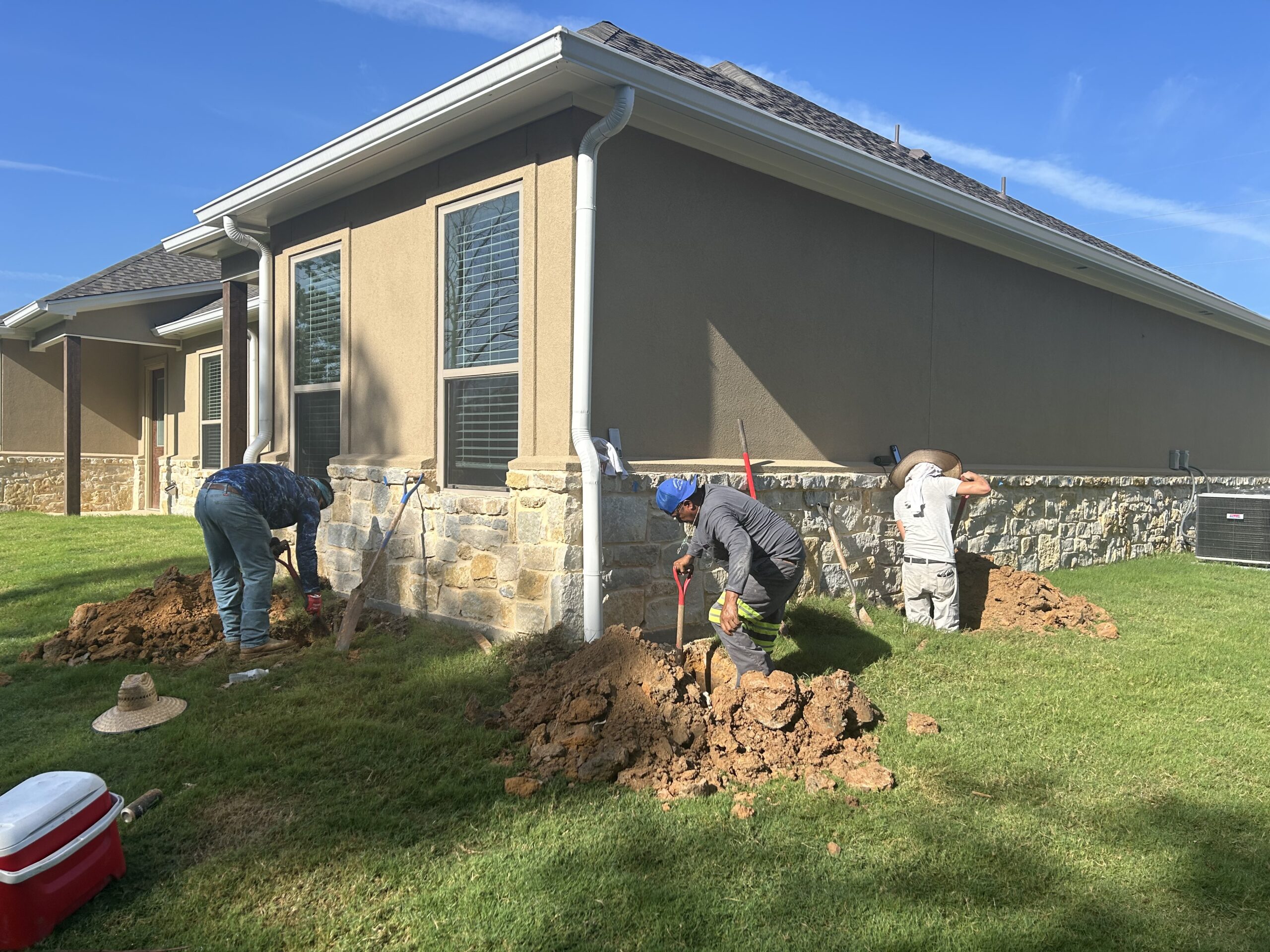
Correcting an uneven foundation starts with measurement, not guesswork. Risen Home Leveling takes elevation readings at consistent intervals across the affected area using a water level or laser system, building a precise map of exactly how much each section of the foundation has dropped relative to the rest of the home. That map becomes the basis for the lift plan — which sections need support, how much lift each one can safely tolerate, and in what order the work needs to happen to avoid stressing the structure above it.
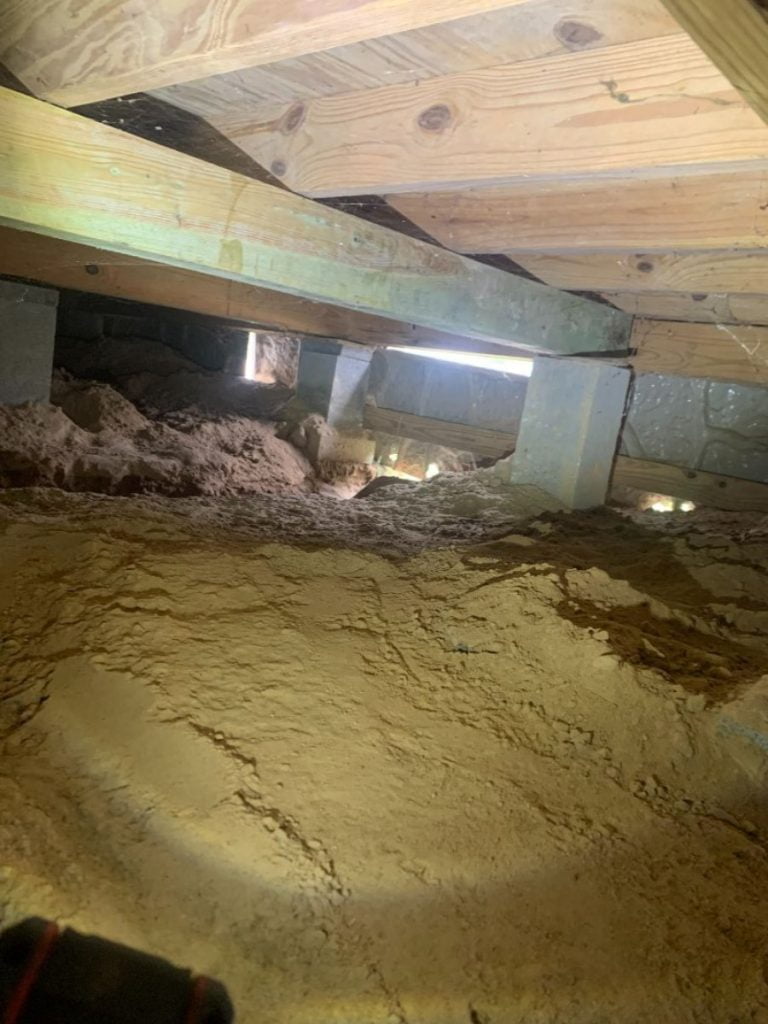
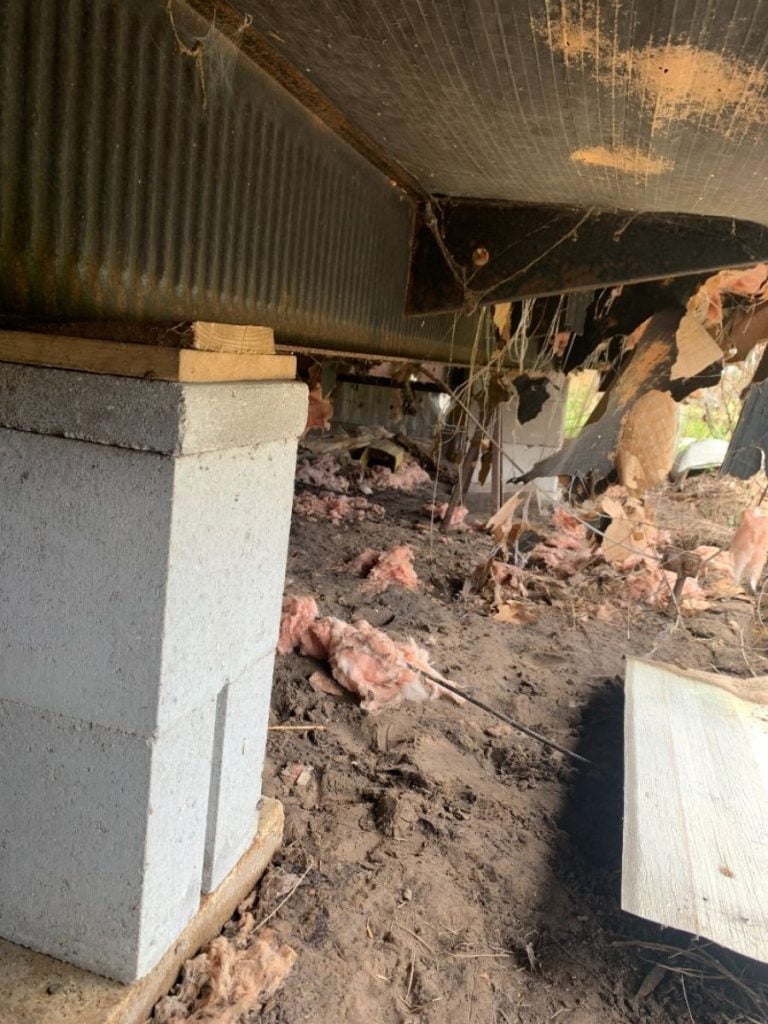
Support is then introduced beneath the low sections, typically through piers set to load-bearing depth, and the structure is raised in small, measured increments. Lifting too far or too fast is one of the most common mistakes in foundation work, because a structure that has settled into a tilted position over years has often adjusted around that tilt — pushing it back too aggressively can crack drywall or stress framing that had otherwise stabilized.
Where Unevenness Shows Up First
Unevenness rarely affects a whole home equally, and where it shows up first often tells us something about the cause. Kitchens and bathrooms, with their concentration of plumbing beneath the floor, are common early indicators since a slow leak beneath a slab can quietly saturate soil in one localized area for months before anyone notices water on the surface. Rooms near an exterior corner, especially corners closest to downspouts or poor grading, tend to show settlement earlier than interior rooms further from the exterior walls.
Older additions built onto an existing structure are another frequent source of visible unevenness, since the original home and the addition may be resting on foundations poured years apart with different soil conditions beneath each. Identifying which room moved first — and why — helps target the repair precisely instead of treating the entire foundation as a single problem.
How Much Lift Is Realistic
One of the most common questions homeowners ask is whether a floor can be brought back to perfectly level. In many cases, meaningful improvement is achievable, but full restoration to original elevation isn’t always realistic or even advisable, particularly in homes where the unevenness has existed for many years and finishes have adjusted around it. Risen Home Leveling sets expectations honestly before work begins, based on the actual elevation data collected rather than a generic promise.
The goal of leveling work is structural stability and a meaningful reduction in slope — not an arbitrary number. A home that goes from a significant tilt to a barely perceptible one, with the underlying cause of movement addressed, represents a successful repair even if it isn’t mathematically perfect.
Living in the Home During Leveling Work
Most uneven foundation repairs are completed without requiring homeowners to leave the property, though some noise and vibration should be expected during pier installation and lifting. Furniture and fragile items near the work area are typically the only things that need to be moved temporarily. Because the lift happens gradually rather than all at once, homeowners often don’t notice the change happening in real time — the difference becomes apparent once the work is complete and they walk through the home again.
Communication throughout the process matters here more than almost any other part of the job, since homeowners are living inside the structure being adjusted. Risen Home Leveling walks through the daily plan before work begins each day so there are no surprises about what’s happening beneath the floor.
Maintaining a Level Foundation After Repair
Leveling work holds only as well as the soil conditions that follow it. After lifting is complete, maintaining consistent soil moisture around the foundation is the single most important thing a homeowner can do to protect the repair — extending downspouts well away from the structure, correcting any negative grading that channels water back toward the foundation, and watering the soil evenly during extended dry spells to prevent excessive shrinkage.
Risen Home Leveling reviews these conditions as part of every leveling project and flags anything likely to undermine the repair before it becomes a problem again.
Schedule an Uneven Foundation Repair Evaluation
If your floors feel like they slope, your doors won’t stay shut, or something in your home just feels off-level, an evaluation will tell you exactly what’s happening and how much lift is realistic. Risen Home Leveling provides precise elevation mapping and leveling solutions throughout East Texas.
Contact Risen Home Leveling today to schedule your uneven foundation evaluation.