
Beam Replacement
Expert Beam Replacement That Restores Structural Support to Pier and Beam Homes
The beams in a pier and beam foundation carry the full weight of the home above them. They span the crawl space beneath the floor system, transferring load to the piers anchored in the ground below. When those beams deteriorate, crack, or rot through, the support they provide disappears — and the floor system above them begins to show it. Sagging floors, soft spots underfoot, and sections of flooring that have dropped noticeably below their original elevation are among the most reliable signs that beam replacement is needed.
Risen Home Leveling provides professional beam replacement services for pier and beam homes throughout East Texas. Our team inspects the full crawl space, evaluates every beam and structural member, identifies what is causing the damage, and performs beam replacement that restores the load-bearing capacity your home depends on. We do not patch what should be replaced, and we do not recommend replacement when less invasive repairs will do the job. Every decision is based on the actual condition of your home’s foundation.

How Pier and Beam Foundations Depend on Structural Beams
A pier and beam foundation supports the home through a system of vertical piers anchored into the ground and horizontal beams that span between those piers. The beams carry the weight of the floor joists, subflooring, and everything above — walls, finishes, furniture, and the people living in the home. When the beams perform correctly, the floor system above them is stable, level, and solid. When they fail, that stability is compromised across the entire area they supported.
Because beams are load-bearing members, even partial deterioration in one beam affects the floor system above it. A single beam with advanced wood rot or structural damage can cause a wide section of flooring to drop, warp, or develop the soft and springy feel that homeowners often describe as the first sign something is wrong beneath their home.
What Causes Beams to Fail in East Texas
Beam failure in East Texas pier and beam homes is driven primarily by the environment beneath the home. Clay-heavy soils across the region retain moisture after heavy rainfall, and crawl spaces that lack adequate ventilation or drainage trap that moisture against the wood structural components of the foundation for extended periods. Persistent moisture exposure causes wood rot that works from the inside out. By the time sagging floors become noticeable above, the deterioration in the affected beams is often already extensive.
Pest damage is another significant cause of beam failure throughout East Texas. Termites and other wood-destroying insects compromise structural beams from within, leaving little evidence on the surface until the damage has reached a critical level. Crawl space inspections are the only reliable way to detect this type of damage before it escalates into a more serious structural problem.
Age and general material degradation also contribute to beam failure in older homes. Decades of load-bearing, combined with crawl space humidity and the seasonal temperature swings common across East Texas, break down wood fibers over time. Beams that were correctly installed and properly sized when the home was built can still reach the end of their serviceable life through normal exposure and wear. Some older homes were also constructed with undersized beams or insufficient beam spacing, creating ongoing structural stress that accelerates deterioration even without the presence of moisture or pest damage.
Recognizing the Signs of Beam Damage
Homeowners typically encounter beam problems through what happens at floor level. Floors that bounce or flex when walked on, sections that have dropped lower than the surrounding area, and soft spots concentrated in specific rooms or along specific walls are all indicators that the beams in that area are no longer performing as designed. Doors that stick or drag across the floor in rooms where the subfloor has shifted, and visible unevenness between adjacent rooms, are also common symptoms.
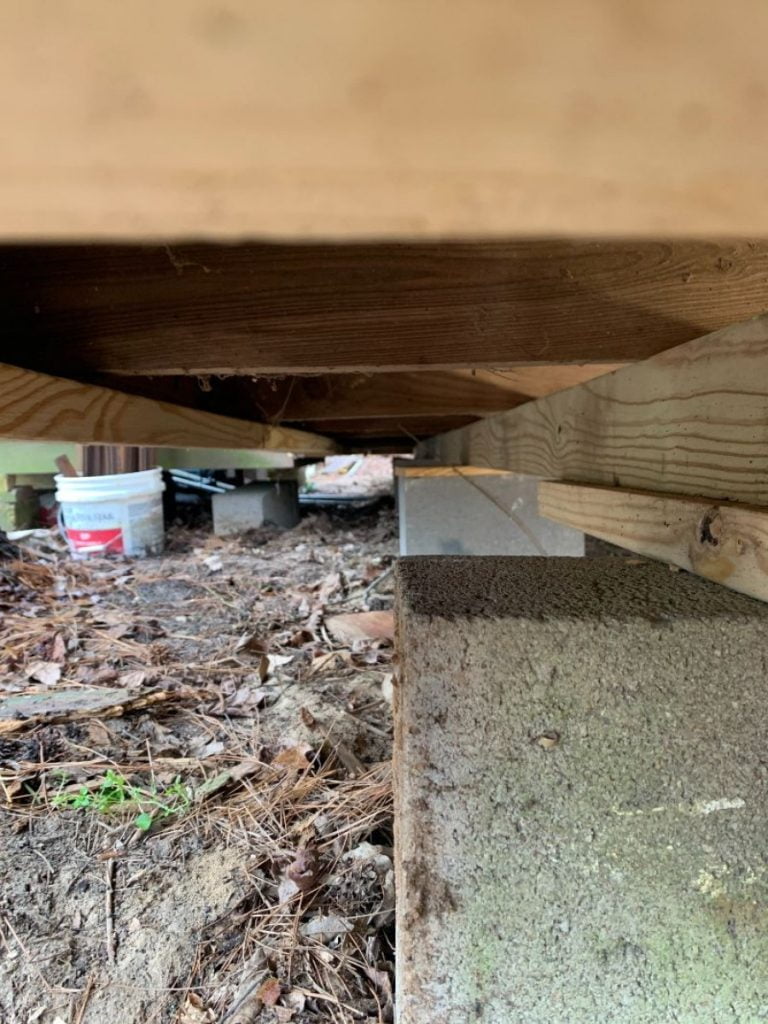
Crawl space inspections reveal the underlying damage directly. Discoloration, visible cracking, surface softness, sagging along the length of a beam, and any structural member that deflects visibly under load are clear indicators that beam replacement is necessary rather than simply adjusting the home’s elevation.
Our Beam Replacement Process
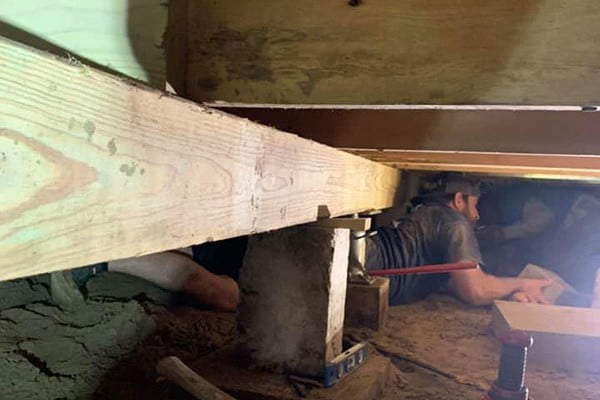
Beam replacement begins with a thorough inspection of the crawl space and the floor system above it. Our team evaluates the condition of every beam and joist, documents the extent of any deterioration, and identifies contributing factors — moisture sources, drainage deficiencies, ventilation problems, or evidence of pest activity — that would cause replacement beams to deteriorate on the same timeline as the originals if left unaddressed.
Once the inspection is complete, we provide a clear explanation of the findings and a defined scope of work before anything begins. The home is properly supported during beam removal to protect the structure and prevent any additional movement while the repair is underway. Damaged beams are removed and replaced with correctly sized lumber appropriate for the load requirements of that section of the home. New beams are installed and secured to restore even load distribution and proper elevation across the entire floor system.
After beam replacement is complete, we verify that the floor system is fully and correctly supported throughout the repaired area and that the home rests level on its corrected foundation. Where crawl space conditions contributed to the original failure, we identify what can be done to protect the new structural members going forward.
Beam Replacement Versus Beam Sistering
Not every beam problem requires full replacement. In situations where damage is limited to a specific section of an otherwise sound beam, attaching a new structural member alongside it — a technique known as sistering — can restore adequate load capacity without removing the original beam entirely. Sistering is a legitimate and effective repair when it is appropriate to the actual condition of the beam.
When a beam has rotted through, been significantly compromised by pest damage, or no longer provides meaningful structural support across its length, sistering is not a sufficient repair. In those cases, full beam replacement is the only approach that produces a lasting result. Risen Home Leveling evaluates each beam individually and makes the recommendation that the condition of the structure actually supports.
Long-Term Stability After Beam Replacement
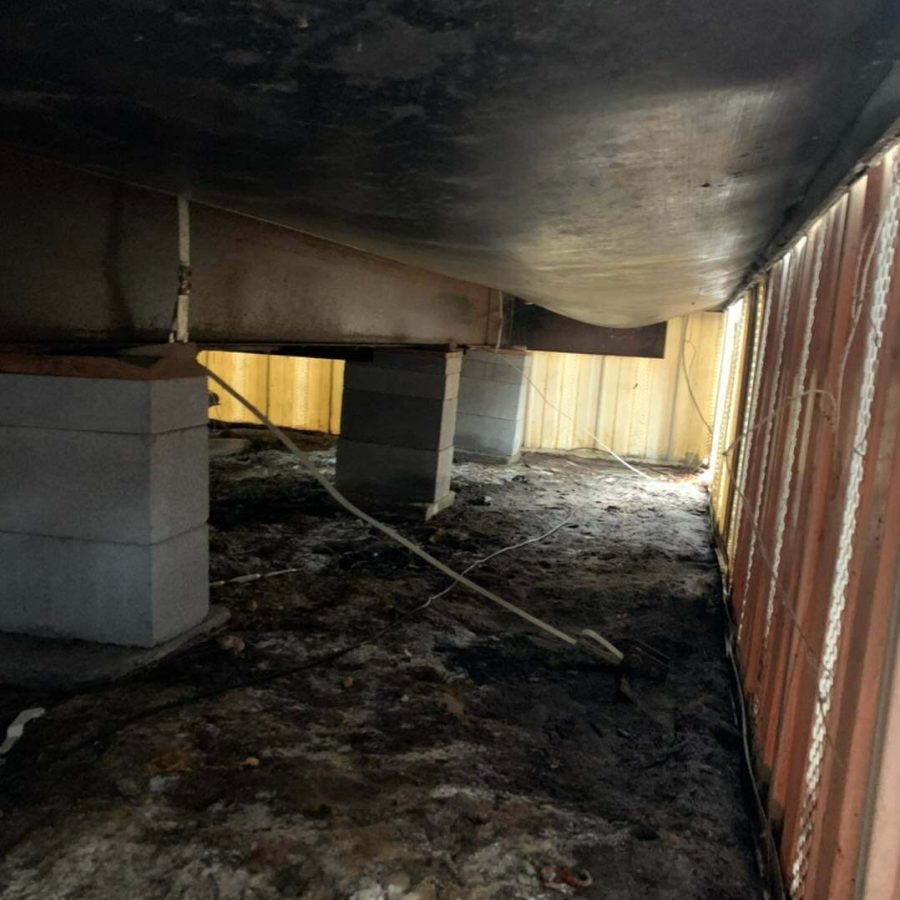
Beam replacement addresses the immediate structural failure, but the crawl space conditions that allowed the original damage to develop deserve equal attention. Moisture that goes unmanaged beneath a home will affect replacement beams on the same timeline it affected the originals. Improving crawl space ventilation, correcting drainage patterns around the foundation, and addressing any standing water issues beneath the home are all steps that protect new structural members and extend the life of the repaired foundation.
Risen Home Leveling identifies these conditions during the inspection process. If moisture management or drainage improvements are warranted as part of a complete repair, we discuss those options as part of the overall plan. A pier and beam foundation with correctly installed, properly protected beams provides decades of reliable structural support and protects the long-term value of the home.
Schedule a Beam Replacement Evaluation
If your floors are sagging, soft in spots, or showing signs of uneven settlement, the beams beneath them may need professional evaluation. Early beam replacement prevents escalating structural damage and reduces the overall cost of repair. Risen Home Leveling offers free crawl space inspections for homeowners throughout Tyler, Longview, Jacksonville, Athens, Henderson, Canton, and all of East Texas.
Contact Risen Home Leveling today to schedule your inspection and find out exactly what your home needs.